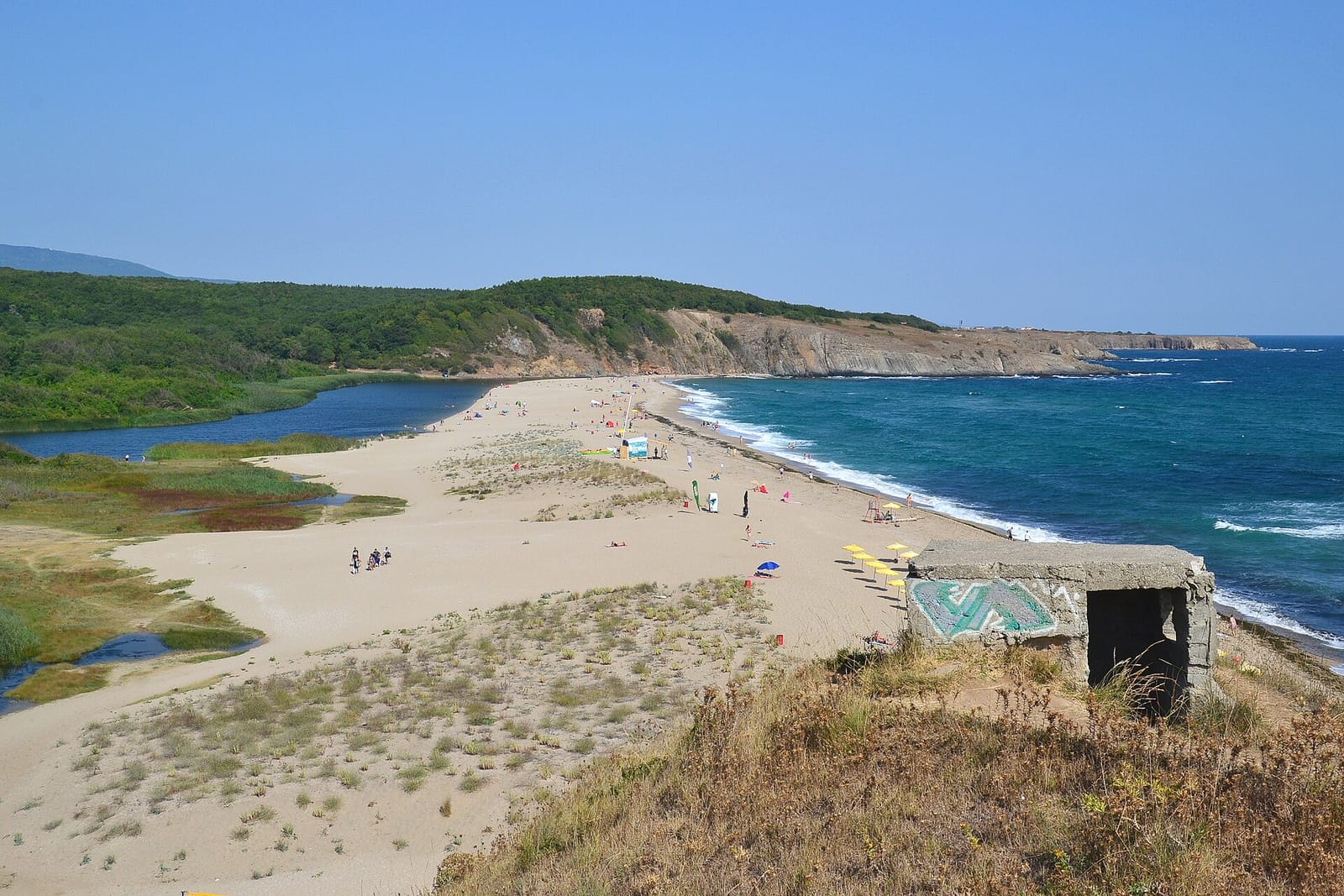
The Bulgarian Black Sea coast between Burgas and the Strandzha — a working port city, a string of old stone towns on headlands, and a summer that empties out hard in October. EU but outside Schengen's land borders until recently, good fibre, and a coast that goes quiet once the last charter flight leaves.
The coast runs from Burgas — the region’s actual city, with the airport, the hospitals and the year-round economy — south through Sozopol and north through Nesebar. It runs two entirely different economies six months apart, and the half of the year nobody photographs is the one worth a month.
Written from here, on a date
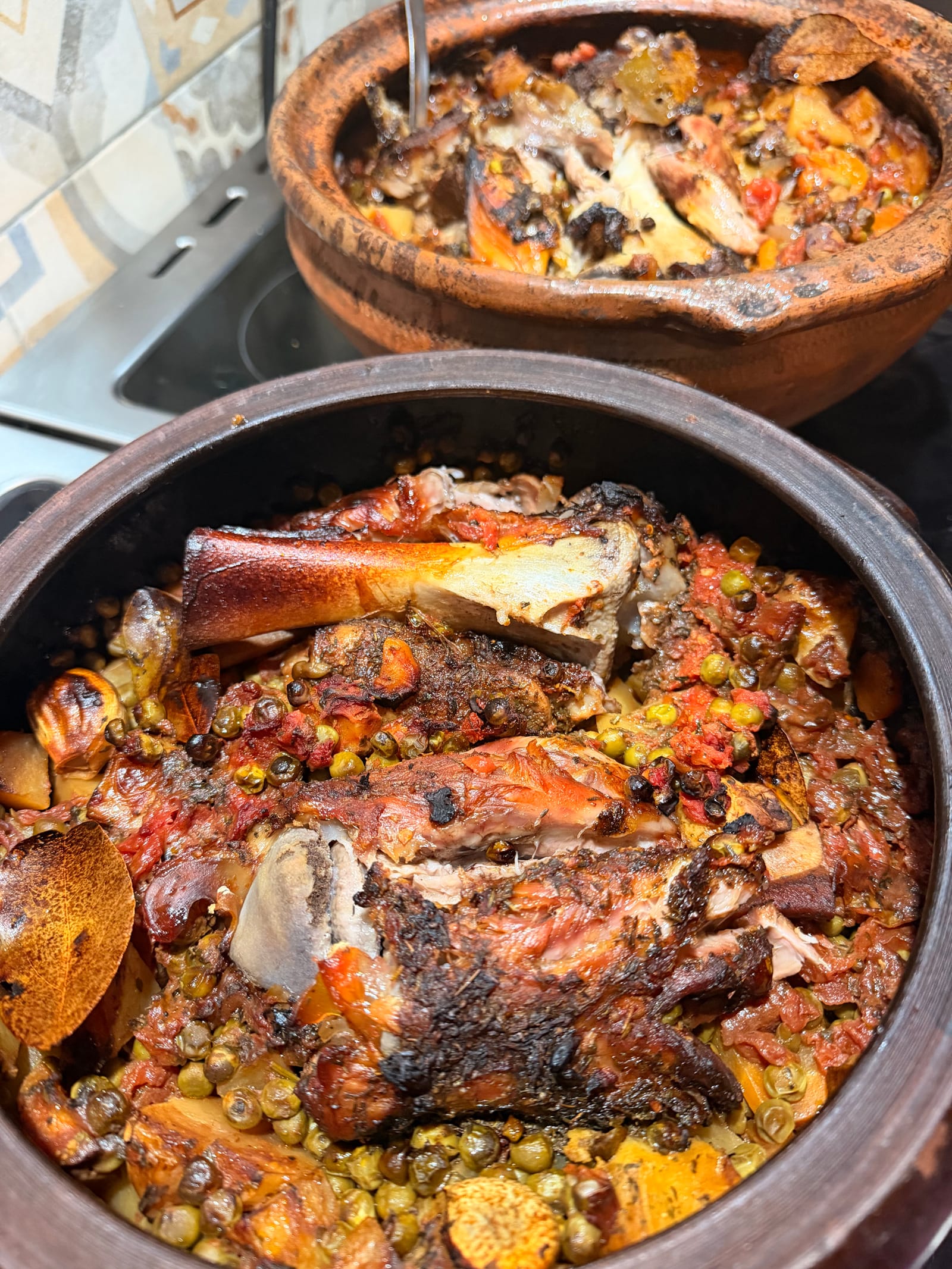
Bulgarian food, from the coliving table to the street kiosk
Clay-pot stews, a moussaka built on potatoes, a salad invented for tourists that became a national symbol, and the grill-stand classics that go with beer. A short field guide to what turns up on the table around Burgas, and where the shopping happens when you live fifteen kilometres out.
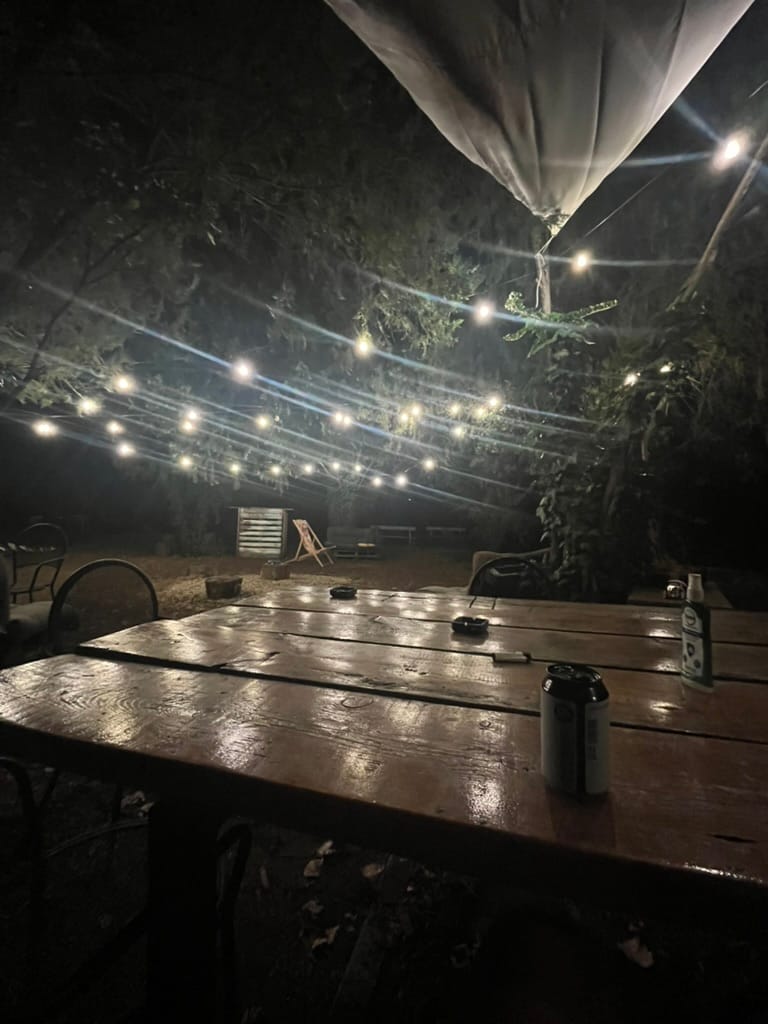
Six weeks in Vetren: the programme didn't build the community, the people did
A stay booked as a fortnight with an exit, extended to six weeks. The role meant to bring the group together went unfilled in practice that summer, guests and the owner did it instead, and most of what mattered that month happened a hundred metres outside the gate.
Coliving in Black Sea


Where you'd actually be
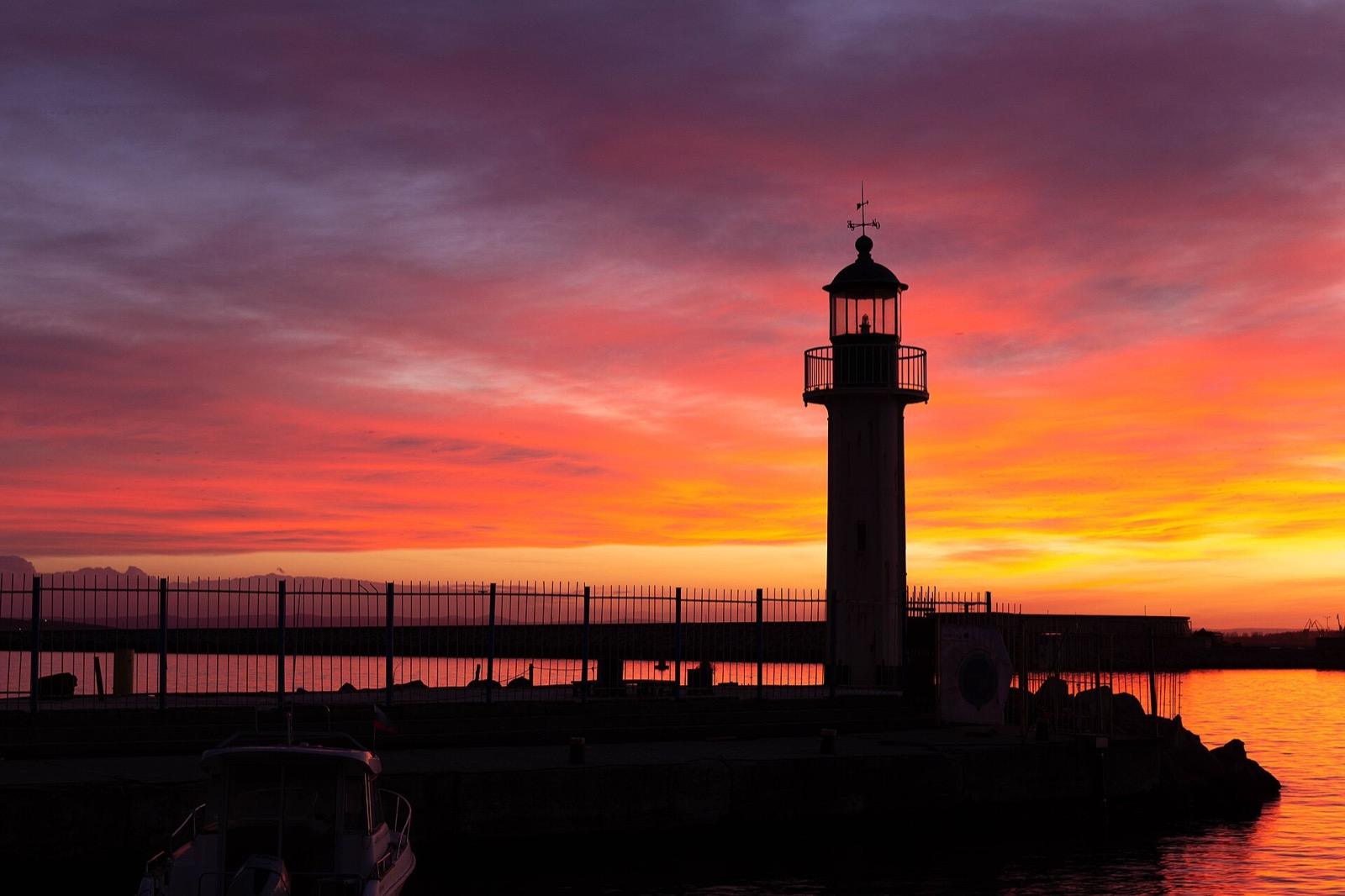
Burgas
A port city that happens to have a beach, and the one place on this coast that does not need visitors to function.
Read town guide →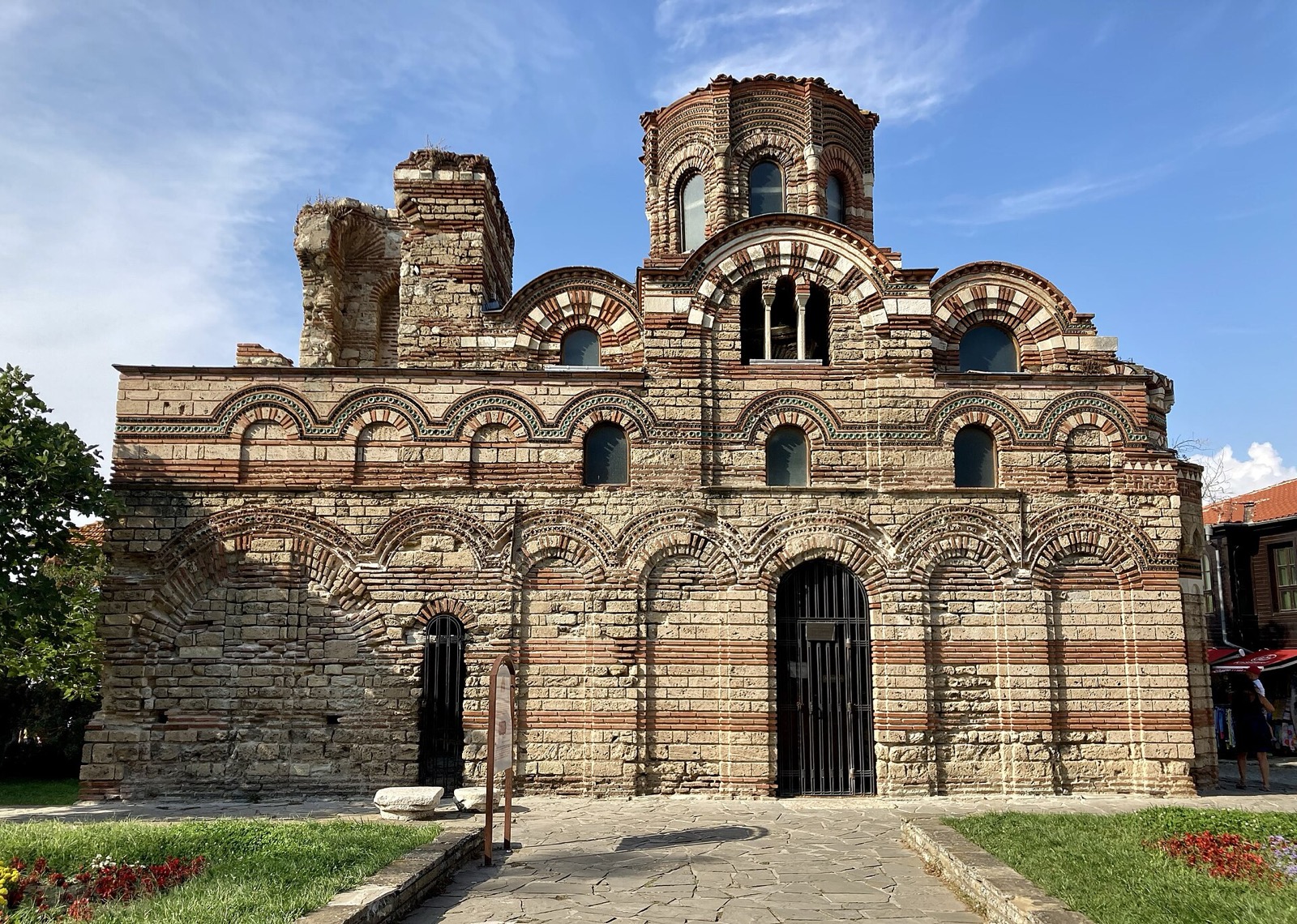
Nesebar
A UNESCO-listed peninsula, a mainland of hotels, and Sunny Beach grown into its northern edge.
Read town guide →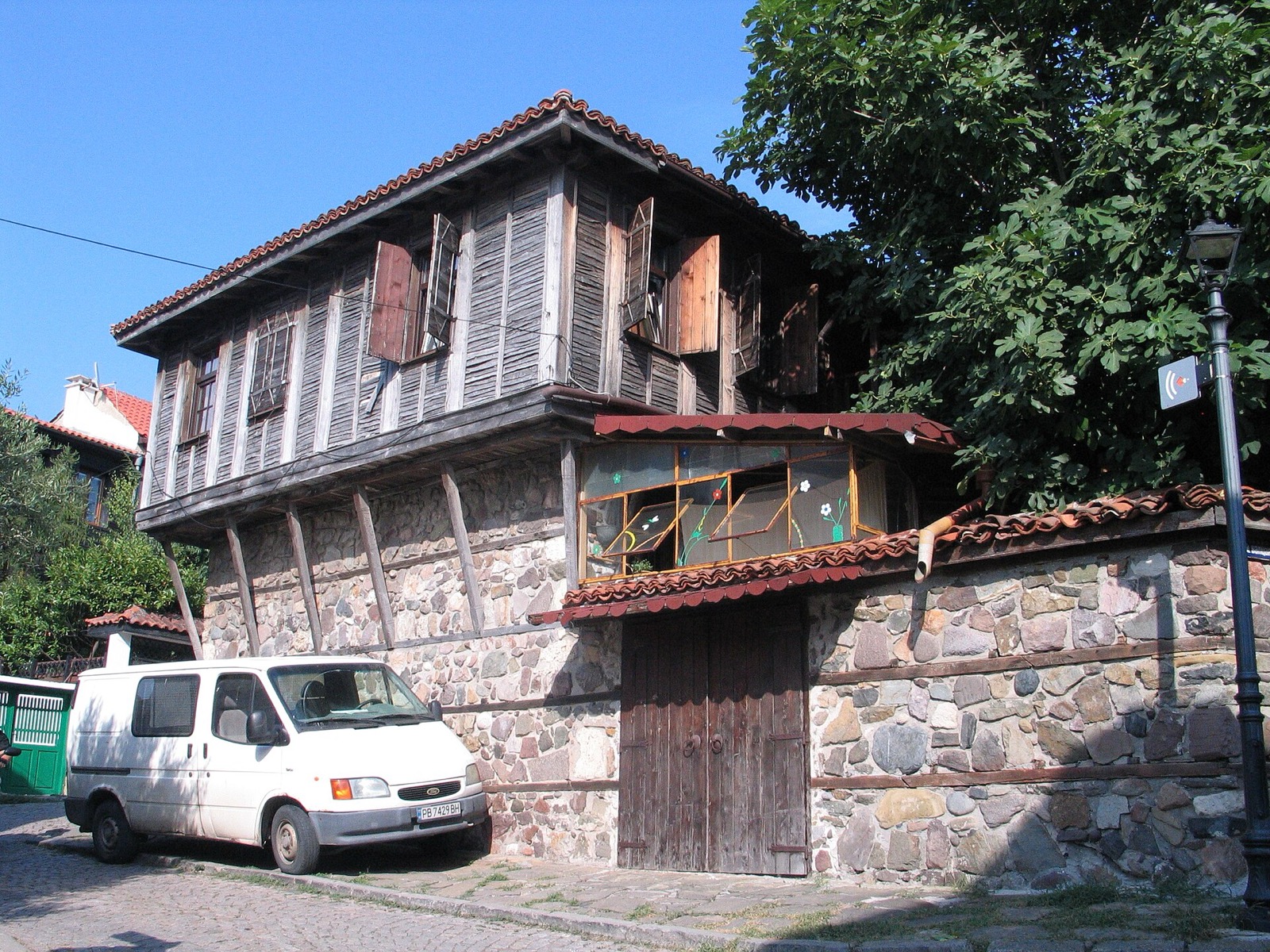
Sozopol
A wooden old town on a rocky peninsula south of Burgas, that is open for business in summer and mostly closed the rest of the year.
Read town guide →